Transformer blast walls play a crucial role in enhancing the safety and operational integrity of high-voltage facilities. These structures are designed to mitigate the risks associated with transformer failures, which can lead to catastrophic events such as explosions or fires. The implementation of transformer blast walls is a strategic measure that significantly reduces the potential for damage to both equipment and personnel.
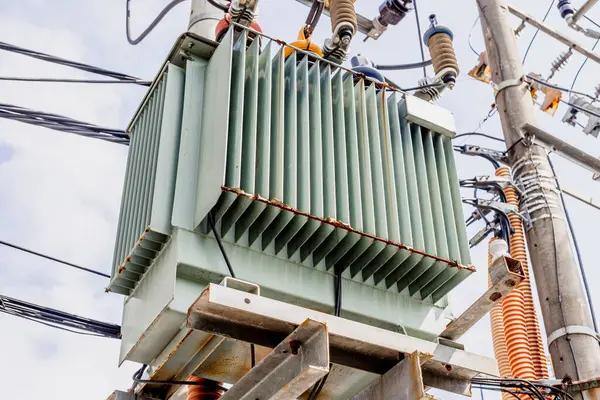
High-voltage transformers are integral components of electrical power systems, responsible for stepping up or stepping down voltage levels to facilitate efficient power transmission and distribution. However, these transformers operate under immense electrical stress and are susceptible to faults caused by insulation failure, overheating, or external factors such as lightning strikes. When a transformer fails, it can release an enormous amount of energy rapidly, resulting in explosions that pose significant hazards.
Transformer blast walls serve as physical barriers that contain read the full report effects of such explosive incidents. Constructed from materials like reinforced concrete or steel, these walls are engineered to withstand high-impact forces and thermal stresses generated during a transformer explosion. By absorbing and deflecting shockwaves and debris, they protect adjacent equipment from damage that could lead to cascading failures within the facility.
Moreover, transformer blast walls play an essential role in safeguarding human life. High-voltage facilities often have personnel working in proximity to transformers who would be at risk during an explosion without adequate protective measures in place. Blast walls provide critical shielding against flying debris and intense heat radiation produced by transformer failures, thereby reducing injury risks among workers.
The design considerations for transformer blast walls include their height, thickness, material composition, and placement relative to transformers. Engineers must assess specific site conditions and potential fault scenarios when designing these structures to ensure optimal protection levels while maintaining cost-effectiveness.
In addition to mitigating immediate physical dangers posed by explosions, transformer blast walls also contribute indirectly to environmental protection efforts within high-voltage facilities.
About the Author