A complete heating and air conditioning service is essential to ensure your HVAC system operates efficiently, prolongs its lifespan, and maintains indoor comfort. Whether you rely on your system during freezing winters or scorching summers, regular servicing helps prevent unexpected breakdowns and costly repairs. This article explores what typically happens during a thorough heating and air conditioning service, giving you insight into the process and its benefits.
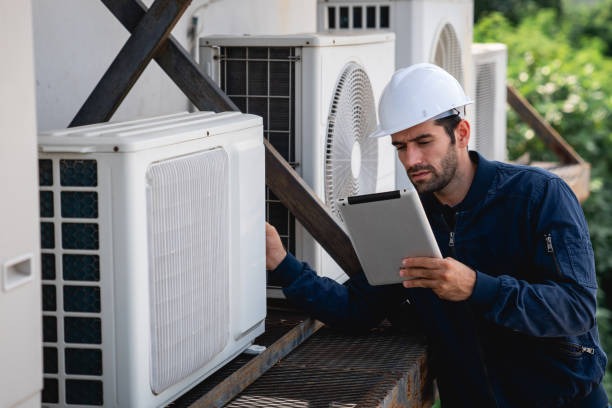
When a professional technician arrives for a complete heating and air conditioning service, the first step usually involves a comprehensive inspection of the system. This includes examining the furnace, heat pump, air conditioner, ductwork, thermostat, and other critical components. The technician checks for any signs of wear, damage, or inefficiency that may affect system performance.
Next, the technician will clean various parts of the HVAC system. This cleaning process often involves removing dust, dirt, and debris from air filters, blower components, coils, and vents. Clean filters and check website coils are crucial because they improve airflow and heat exchange efficiency, reducing energy consumption and promoting better air quality. In many cases, the technician will replace air filters if they are dirty or worn out.
Another vital aspect of the service is testing and calibrating the thermostat. The technician ensures that it accurately controls the temperature, responding appropriately to user settings. Proper thermostat operation is essential for maintaining consistent indoor comfort and avoiding unnecessary energy use.
The technician will also check refrigerant levels in air conditioning systems, adding more if necessary. Refrigerant is critical for heat transfer in air conditioners, and low levels can cause the system to work harder, leading to increased wear and higher energy bills. Additionally, the service includes inspecting electrical connections and components to ensure there are no loose wires or potential hazards.
Lubrication of moving parts is another step in the service process. Proper lubrication reduces friction and prevents premature wear on motors and fans, helping the system run more quietly and efficiently. The technician may also inspect and clean the condensate drain to prevent blockages that could cause water damage or mold growth.
Finally, the technician will perform a system performance test, running the heating and air conditioning units through their cycles. This test verifies that all parts function correctly and that the system maintains the desired temperature efficiently. If any issues are detected, the technician will recommend repairs or adjustments to restore optimal operation.
In summary, a complete heating and air conditioning service involves inspection, cleaning, testing, lubrication, and system performance evaluation. Regular servicing ensures your HVAC system remains reliable, efficient, and safe, providing comfort throughout the year while minimizing energy costs and unexpected breakdowns.
About the Author