
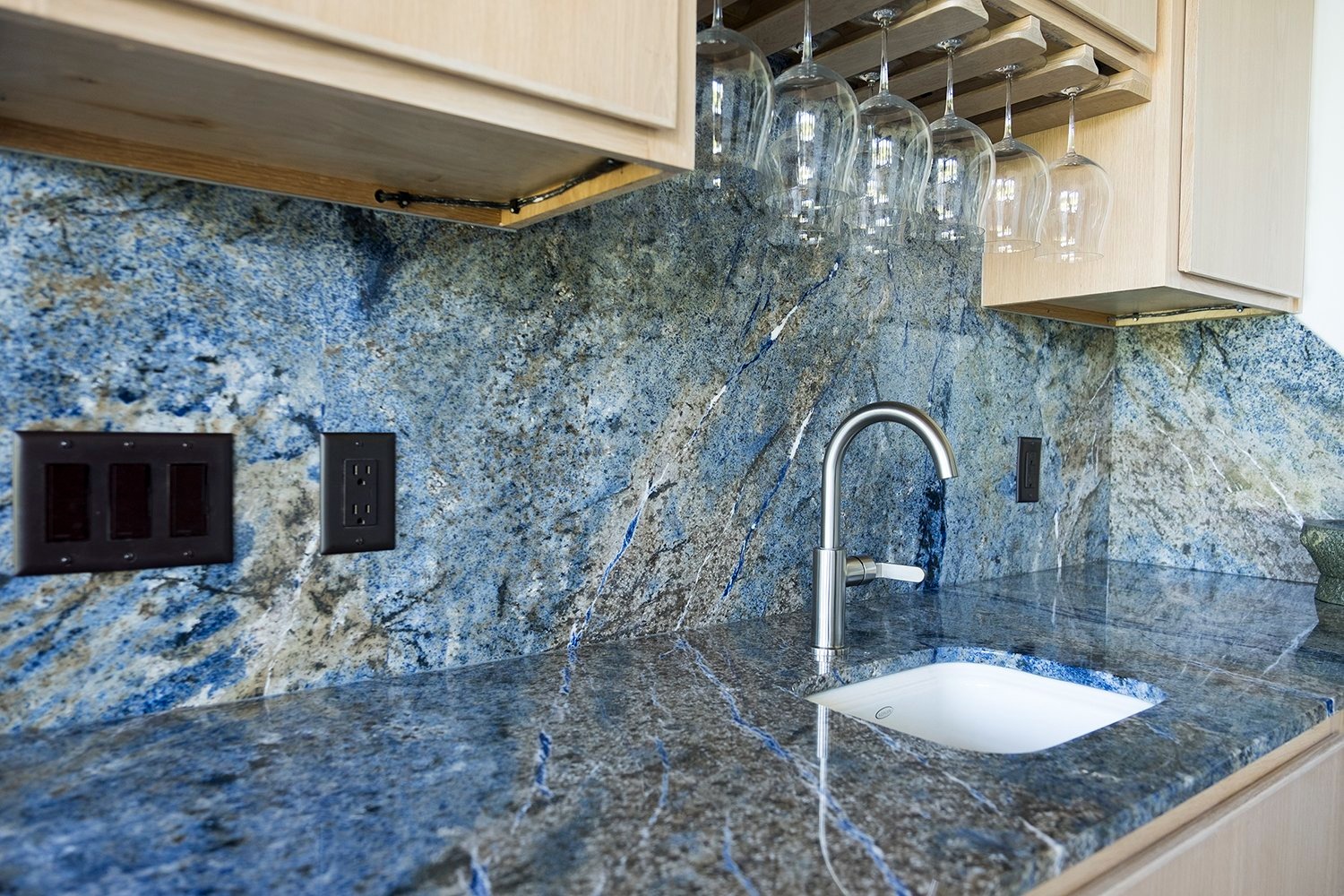
Working with the right granite exporter in India can be the difference between smooth international trade and endless paperwork headaches. That’s why choosing trusted partners like Devinarayan early in the process makes a big difference. With decades of experience and ISO-certified processes, they understand what it takes to meet international standards while staying fully compliant with Indian laws.
If you’re an importer, architect, or procurement manager looking to understand the legal side of granite trade from India, this guide will walk you through every step — from licensing and documents to certifications and global regulations.
Why Export Compliance Matters in the Granite Industry
Exporting granite isn’t just about cutting stones and loading containers. It’s a highly regulated process that must follow international trade laws and domestic policies. Here’s why it matters:
- Customs Clearance: Countries like the USA, Germany, or Australia won’t accept shipments without correct paperwork and certifications.
- Trade Legitimacy: Following Indian government regulations ensures the granite is ethically sourced and legally exported.
- Buyer Confidence: Certified exporters build stronger business trust and repeat orders from international clients.
- Avoiding Fines and Delays: Non-compliance can lead to costly port delays, legal penalties, or shipment rejections.
Government Bodies That Regulate Granite Export in India
Several Indian authorities govern the export of natural stone products like granite. Exporters must coordinate with the following:
- DGFT (Directorate General of Foreign Trade): Issues export licenses and monitors trade policy.
- CAPEXIL (Chemical and Allied Products Export Promotion Council): Grants RCMC (Registration-Cum-Membership Certificate), a must for exporters.
- FIGSI (Federation of Indian Granite and Stone Industry): An industry body that supports ethical trade and stone processing standards.
- TNGQOEA (Tamil Nadu Granite Quarry Owners and Exporters Association): Governs quarry owners in Tamil Nadu, where a lot of granite originates.
Granite Export Documentation Checklist
Before any granite slab or monument leaves India, exporters need to have all these documents ready:
- IEC (Import Export Code) from DGFT – without this, no export can begin.
- RCMC from CAPEXIL – proves the exporter is officially registered.
- Commercial Invoice and Packing List – with precise details like granite type, finish, dimensions, and HS codes.
- Certificate of Origin – confirms that the granite is quarried and processed in India.
- Bill of Lading – issued by the shipping line.
- Inspection Certificates – especially required in Europe or for architectural granite in the USA.
These documents help clear customs both in India and at the importing country’s port.
Mandatory Certifications for Granite Export from India
Global buyers expect traceability, safety, and consistent quality. Here are the must-have certifications Indian granite exporters need:
- ISO 9001 – Ensures quality management across the production chain.
- ISO 14001 – Related to environmental compliance, especially for quarry operations.
- CE Marking – Needed for granite products entering European markets.
- Conformity Certifications – For countries with building material safety standards.
- Quarry License – Exporters must source granite from government-approved quarries.
- Sustainability Certifications – Optional, but valued by eco-conscious buyers.
Granite Quarry Compliance and State Regulations
Each state in India has its own rules when it comes to granite quarrying. For example:
- In Tamil Nadu, quarry licenses are tightly monitored under mining regulations and environmental laws.
- Andhra Pradesh and Karnataka require Environmental Impact Assessments (EIA) before large-scale quarry operations.
- Many regions also require No Objection Certificates (NOCs) from the Forest Department or Pollution Control Board.
Without these clearances, granite cannot be legally quarried or exported. Ethical buyers increasingly prefer stone that’s responsibly sourced with full traceability.
Country-Specific Import Rules: Know Before You Ship
Each country has different granite import laws. Exporters must adjust documentation and finishes to match the target market:
- USA: Requires granite to meet ASTM standards for strength and density. HS code classification matters.
- Europe: CE marking is mandatory. Some EU countries also require lab test reports for structural granite.
- Australia & Canada: Want exact dimensional consistency and environmental certifications.
If even one certificate is missing or incorrect, the shipment may be rejected at port.
CAPEXIL and RCMC: What They Mean for Exporters
CAPEXIL is a government-recognized body that helps promote Indian granite in foreign markets. Any legitimate exporter must register with it to get the RCMC, a mandatory document for customs clearance.
The RCMC shows:
- You are a recognized exporter
- Your products are eligible for trade incentives or duty drawback schemes
- You follow ethical and legal practices in stone trade
Devinarayan is a proud CAPEXIL member, adding one more layer of credibility to their export process.
How Trusted Exporters Ensure Compliance: The Devinarayan Example
Some exporters go beyond the basics. Devinarayan, for instance, has built a global reputation by:
- Maintaining ISO-certified operations in all granite cutting and processing units
- Owning quarries (like Vizag Blue and Indian Juparana) with proper mining licenses
- Performing internal inspections before every shipment
- Handling all documentation for smooth customs clearance at both ends
- Custom crating and container loading to reduce breakage and save cost
Their team also understands international buyer expectations — from visual appeal to dimensional tolerance — making them a reliable export partner.
Frequently Asked Questions (FAQs)
Do I need CE certification for all granite exports?
Only if the granite is going to a country in the European Economic Area. CE proves the product meets EU standards.
How long does it take to get all export documents ready?
If the exporter is experienced and already registered with CAPEXIL and DGFT, it can take just a few days. For new exporters, it might take 2–4 weeks.
What if I want third-party inspection before shipping?
Buyers can always request inspection from SGS, Bureau Veritas, or their own agencies. Good exporters like Devinarayan support this.
Can I import granite from India without a middleman?
Yes. Many exporters work directly with international buyers. It reduces cost and ensures better communication.
Final Thoughts
Granite export from India is a complex but well-structured process. It involves legal documents, regulatory bodies, environmental permits, and global certifications. Importers looking to build long-term partnerships should always choose exporters who follow the rules — not cut corners.
With companies like Devinarayan, global buyers get peace of mind, unmatched quality, and full legal compliance. Their industry experience, quarry ownership, and ISO-certified operations make them a trusted name in Indian granite exports.
About the Author