Effective air conditioning installation requires smart planning strategies to ensure optimal performance, energy efficiency, and long-term satisfaction. The first step in any successful project is conducting a thorough assessment of the space where the system will be installed. This involves evaluating room size, insulation quality, window placement, and existing ventilation. Understanding these factors helps determine the appropriate capacity and type of air conditioning unit needed to maintain comfortable temperatures without wasting energy or causing unnecessary strain on the equipment.
Selecting the right system is crucial for both comfort and cost-effectiveness. Central air systems work well for larger homes or buildings with multiple rooms, while ductless mini-split units are better suited for smaller spaces or areas without existing ductwork. Heat pumps offer an additional advantage by providing both cooling and heating capabilities in one device. Consulting with HVAC professionals during this stage ensures that choices align with specific needs as well as local climate considerations.
Proper placement of indoor and outdoor units significantly impacts system efficiency and noise levels. Indoor components should be positioned where airflow can circulate freely without obstruction from furniture or walls. Outdoor units require locations with adequate ventilation away from direct sunlight or heavy debris accumulation to prevent overheating and reduce maintenance frequency.
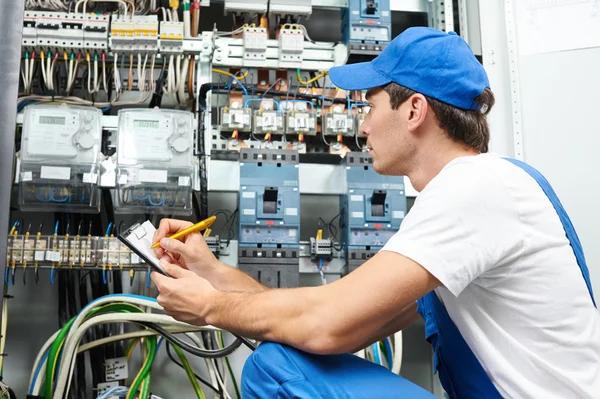
Electrical requirements must also be carefully planned before installation begins. Confirming that your property’s electrical panel can handle the new load avoids costly upgrades later on while ensuring safety standards are met throughout the process. Additionally, obtaining necessary permits ahead of time prevents delays caused by regulatory issues.
Scheduling installation during mild weather conditions minimizes discomfort during transitional periods when temporary cooling solutions may be less effective or unavailable altogether. learn all about it also allows technicians to work more efficiently without weather-related interruptions.
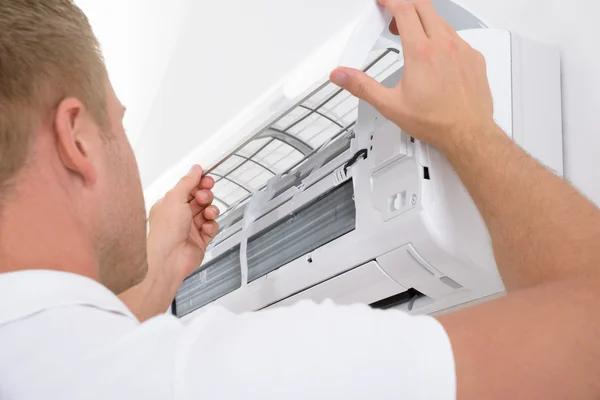
Post-installation testing is vital to verify correct operation according to manufacturer specifications as well as user preferences regarding temperature settings and fan speeds. This phase includes inspecting refrigerant levels, checking thermostat calibration, confirming proper drainage from condensate lines, and listening for unusual noises that might indicate mechanical problems requiring adjustment before finalizing setup.
Regular maintenance plans should be established immediately after installation completion since ongoing care extends equipment lifespan while maintaining peak performance over time through filter changes, coil cleaning, refrigerant checks, and timely repairs when necessary.
Smart planning throughout every stage-from initial evaluation through post-installation support-ensures that air conditioning projects deliver dependable comfort efficiently while protecting investment value over many years of use within residential or commercial environments alike.
About the Author