
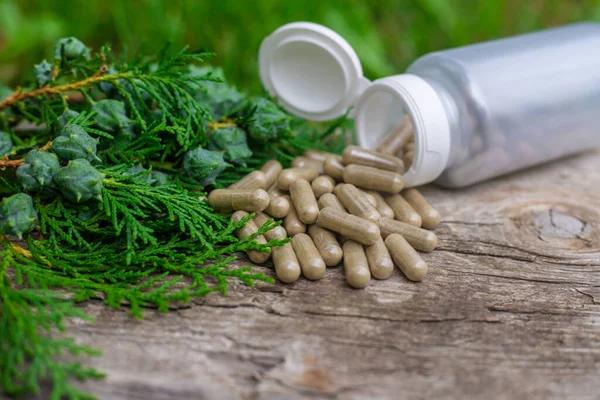
In today’s fast-paced world, stress has become an almost ubiquitous part of daily life. The pressures of work, family obligations, and the constant connectivity facilitated by technology can lead to overwhelming feelings of anxiety and tension. As a result, individuals are increasingly seeking natural ways to manage their stress levels effectively. One such avenue that is gaining traction is the use of plant-based supplements for stress management.
Plant-based supplements have been used for centuries in various cultures as remedies for a wide range of ailments, including stress and anxiety. These supplements are derived from herbs, roots, flowers, and other plant parts known for their therapeutic properties. In recent years, scientific research has begun to validate many traditional claims about these plants’ efficacy in alleviating stress.
Adaptogens are among the most prominent categories of plant-based supplements used in stress management today. These natural substances help the body adapt to stressors by regulating hormonal responses and promoting balance within bodily systems. Popular adaptogens like Ashwagandha, Rhodiola Rosea, and Holy Basil have shown promise in reducing cortisol levels—the hormone often associated with stress—and enhancing overall resilience against stressful situations.
Moreover, plant-based supplements offer a holistic approach to managing stress without the side effects commonly associated with pharmaceutical interventions. Many D8 GAS prescription medications designed to combat anxiety or depression can lead to dependency or adverse reactions over time. In contrast, when used appropriately under guidance from healthcare professionals or knowledgeable practitioners, plant-based options typically present fewer risks while offering additional health benefits.
Another reason why these supplements matter today is their accessibility and sustainability compared to synthetic drugs. With growing awareness about environmental issues related to pharmaceutical manufacturing processes—such as pollution from chemical waste—there’s an increasing demand for more eco-friendly alternatives like herbal remedies which often come from renewable sources cultivated using sustainable practices.
About the Author