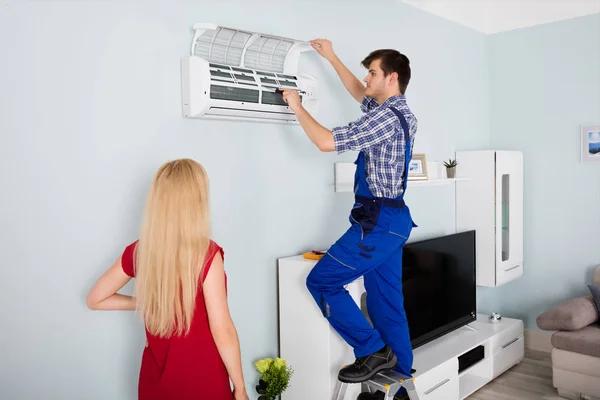
Maintaining proper airflow in your home’s HVAC system is crucial for ensuring comfort, efficiency, and longevity of the equipment. Many homeowners overlook the importance of this aspect, but it plays a vital role in both energy consumption and indoor air quality. Proper airflow ensures that your heating, ventilation, and air conditioning systems work optimally to distribute conditioned air throughout your home.
One key aspect of maintaining proper airflow is keeping vents unobstructed. Furniture, curtains, or other household items can easily block vents without you realizing it. When vents are blocked, the HVAC system has to work harder to push air through the ducts, leading to increased energy usage and potential wear and tear learn more on our website the system. Make sure there is at least a foot of clearance around each vent to allow for adequate circulation.
Regular maintenance is another critical factor in preserving good airflow. This includes changing filters regularly—typically every 1-3 months depending on usage—to prevent dust buildup that can restrict airflow. Additionally, scheduling annual professional inspections can help identify issues such as duct leaks or blockages that could impair performance.
Balancing dampers within your ductwork can also enhance airflow distribution across different rooms in your home. These adjustable valves help control which areas receive more or less conditioned air based on their needs. By fine-tuning these dampers seasonally or as needed, you ensure that no room gets too much or too little air supply.
Another consideration is ensuring that return vents are not obstructed either. These play an essential role by pulling stale air back into the HVAC system for reconditioning and redistribution. Blocking them with furniture or decorations will hinder this process and reduce overall efficiency.
Moreover, ceiling fans can be used strategically alongside your HVAC system to improve circulation without overburdening it. In summer mode (counterclockwise), fans create a wind-chill effect making rooms feel cooler; during winter (clockwise), they recirculate warm air trapped near ceilings back down into living spaces.
Lastly, investing in smart thermostats can provide insights into how effectively your current setup manages airflow while offering automated adjustments based on occupancy patterns or time schedules—leading not only to better comfort but also cost savings over time.
In conclusion, maintaining proper airflow when using your home’s HVAC vents requires attention to detail but pays off significantly regarding comfort levels and operational costs associated with running these systems efficiently year-round. Regular checks combined with strategic interventions like adjusting dampers or employing technology solutions will ensure optimal performance from any residential heating-cooling setup while safeguarding against unnecessary expenses related directly back towards neglectful practices surrounding basic upkeep tasks pivotal towards fostering healthy living environments indoors today!
About the Author